





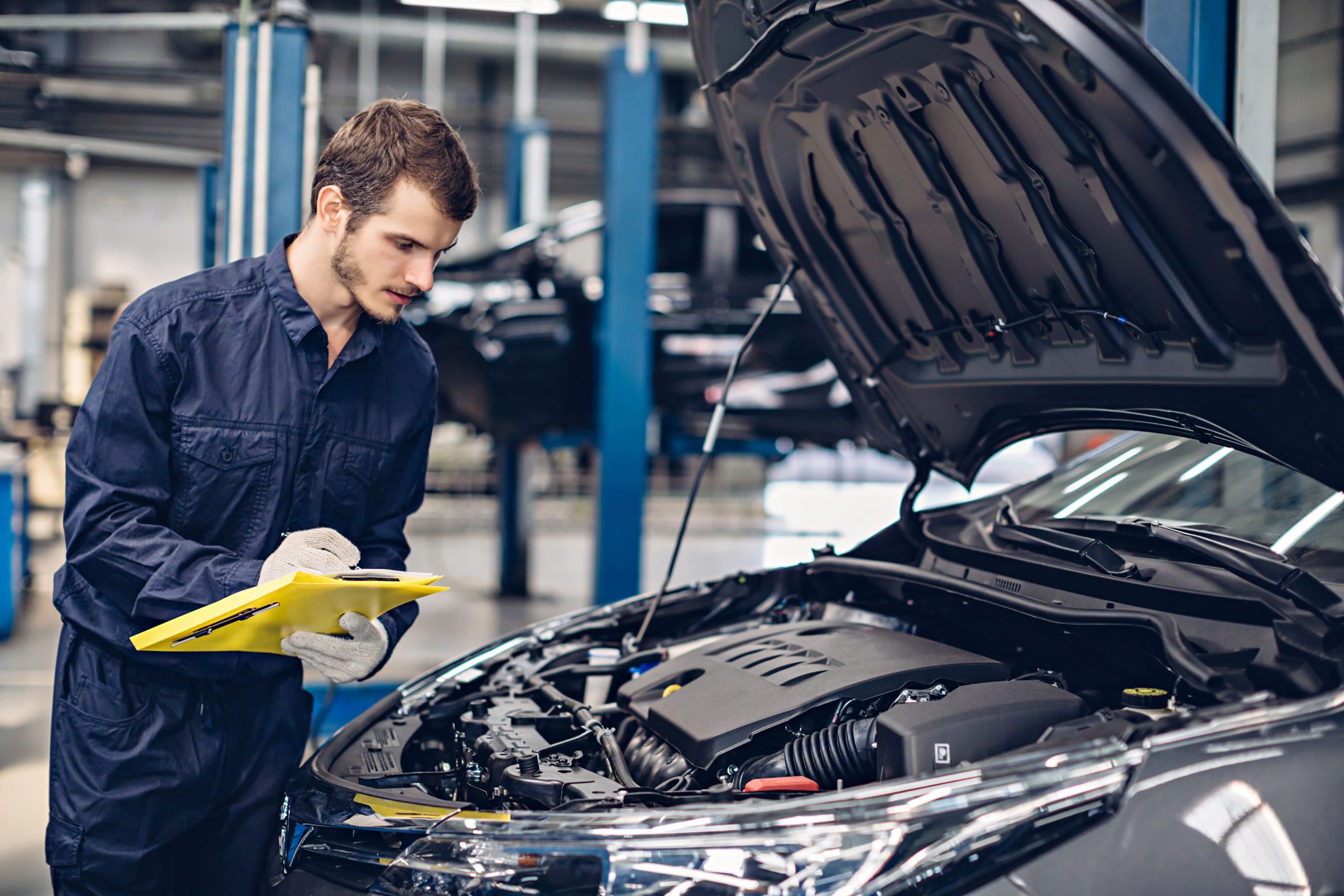
If your Chevy is running rough, misfiring, or not delivering the fuel efficiency it used to, the culprit might be a clogged or faulty fuel injector. Replacing fuel injectors is one of those critical maintenance tasks that can make a huge difference in your vehicle’s performance, fuel economy, and even safety. Whether you’re driving a Blazer EV, Suburban, or Trax, knowing when and how to replace your fuel injectors is essential for keeping your Chevy running at its best.
In this step-by-step guide, we’ll walk you through everything you need to know about replacing fuel injectors in your Chevy. From recognizing the warning signs to understanding the cost of replacing fuel injectors and executing the repair yourself, we’ve got you covered.
Need help or prefer to leave it to the experts? Visit Community Chevrolet in Burbank, your trusted source for all things Chevy, where our certified technicians are ready to get your vehicle back on track. Let’s dive in and get your ride running like new!
Preparing for Chevy Fuel Injector Replacement
Before you begin the process of replacing fuel injectors, it’s important to take a few safety precautions and gather the necessary tools. Proper preparation can make the job smoother and help avoid potential risks. Here’s what you need to do to get ready.
1. Safety First
Working with fuel and engine components requires extra caution. Follow these steps to ensure safety:
- Disconnect the Battery: Always start by disconnecting the battery to avoid any electrical accidents.
- Wear Protective Gear: Put on safety glasses and gloves to protect yourself from fuel splashes or debris.
- Fire Extinguisher Nearby: Fuel systems can be dangerous, so always have a fire extinguisher on hand.
2. Relieve Fuel Pressure
Fuel pressure is built up in the system, so you’ll need to release it before removing the injectors. There are two main ways to do this:
- Fuel Pressure Relief Valve: Locate the fuel pressure relief valve on the fuel line and use it to relieve pressure.
- Remove Fuel Pump Relay: Pull the fuel pump relay, then crank the engine for a few seconds to relieve pressure.
3. Gather Your Tools
Having the right tools will make the process much easier. Here’s what you’ll need:
- Wrenches and socket set
- Fuel line disconnect tool
- Replacement injectors
- Clean rags to catch any spills
- Engine oil for lubricating the new injectors
4. Ensure a Clean Workspace
Dirt or debris can cause issues when installing new injectors. Work in a clean, well-lit space to prevent contaminants from entering your fuel system. Make sure your tools are clean, too.
5. Check for Special Instructions
Some vehicles, like the Blazer EV, may have unique requirements for replacing fuel injectors. Check your owner’s manual for specific instructions for your vehicle model. This can save you time and ensure that the process goes smoothly.
Once you’re prepared, you’re ready to start the replacement process. However, if you prefer to leave it to the professionals, our team at Community Chevrolet is always here to help. We provide expert Chevrolet maintenance and can take care of the fuel injector replacement for you.
Step-by-Step Guide to Replacing Fuel Injectors on Your Chevy
Replacing fuel injectors is a detailed task, but with the right approach, you can handle it. If you’re confident with tools and automotive work, follow this step-by-step guide to get the job done. While the cost of replacing fuel injectors can vary, doing it yourself can save you money.
1. Disconnect the Battery
- Start by removing the vehicle’s battery to avoid any electrical issues while working on the fuel system.
- Remove the negative terminal first.
- Then, remove the positive terminal.
2. Relieve Fuel System Pressure
- Before removing any injectors, you must relieve the fuel system’s pressure to avoid fuel spills.
- Locate the fuel pressure relief valve or use the fuel pump relay to relieve pressure.
- Crank the engine a few times to fully drain any residual fuel.
3. Remove Engine Covers
- Next, remove any engine covers that may be in the way of accessing the fuel injectors.
- These may include covers for the intake manifold, fuel rails, or wiring.
- Use a socket wrench to take off any bolts holding them in place.
4. Disconnect Fuel Lines and Wiring
- Carefully disconnect the fuel lines and wiring connected to the fuel injectors. A fuel line disconnect tool may be needed.
- Use safety goggles and gloves to protect yourself from fuel leaks.
- Label the wiring and connectors to ensure you can reconnect everything later.
5. Remove the Fuel Rail
- The fuel rail holds the injectors in place. It must be removed before you can take out the injectors.
- Unscrew the fuel rail bolts.
- Gently lift the fuel rail off the engine, being careful not to damage the injectors.
6. Remove the Fuel Injectors
- Once the fuel rail is removed, you can access the fuel injectors.
- Carefully pull out the injectors.
- Inspect each injector for damage before installing the new ones.
7. Install the New Fuel Injectors
- Install the new injectors in the reverse order. Be sure to lubricate the O-rings with a bit of clean engine oil to ensure a good seal.
- Place each injector into the fuel rail.
- Ensure the injectors are seated properly before securing them.
8. Reassemble and Reconnect Everything
- Now that the new injectors are in place, it’s time to reassemble your engine.
- Reattach the fuel rail and tighten the bolts.
- Reconnect the fuel lines and wiring.
- Replace any covers or components that were removed.
9. Reconnect the Battery
- After everything is reassembled, reconnect the battery.
- Start with the positive terminal, followed by the negative terminal.
- Tighten the connections securely.
10. Test the System
- Start the engine and check for any fuel leaks. Listen for smooth engine operation and ensure there are no warning lights.
- Check for leaks by carefully inspecting the fuel lines.
- Drive the vehicle for a short distance to ensure everything is working correctly.
- Replacing fuel injectors can seem like a challenging task, but with this guide, you’ll have a clearer idea of what needs to be done. However, if you’re unsure or don’t want to tackle it yourself, the Suburban specialists at Community Chevrolet can help you replace fuel injectors quickly and efficiently. Our team provides top-quality service to keep your Chevy running smoothly.
Post-Replacement Checks and Final Tips
After replacing your fuel injectors, it’s important to perform some final checks to ensure everything is functioning correctly. This is crucial for the long-term health of your vehicle.
1. Check for Fuel Leaks
- Before driving, check all fuel lines and injector seals to make sure there are no leaks. Leaks can cause serious safety risks.
- Inspect around the injectors and fuel rail.
- Look for wet spots that may indicate a leak.
- Tighten any loose fittings as needed.
2. Test the Engine’s Performance
- Start your vehicle and listen for any irregular engine noises. The engine should run smoothly without any rough idling or misfires.
- Check for smooth idle: The engine should run evenly when stationary.
- Pay attention to acceleration: Your vehicle should accelerate smoothly without hesitation.
3. Check the Fuel Pressure
- Ensure that the fuel pressure is within the recommended range for your vehicle. Incorrect fuel pressure can indicate an issue with the injectors or fuel system.
- Use a fuel pressure gauge to verify the reading.
- If the pressure is too high or low, you may need to adjust the system.
4. Clear Any Engine Codes
- If you see a check engine light after the replacement, use an OBD-II scanner to check for codes. Clear any codes that may have triggered during the replacement.
- If codes persist, it could indicate a problem with the injectors or another system.
- Consult a professional if codes remain after clearing.
5. Drive and Monitor
- Take your vehicle for a short test drive. Pay attention to how it handles on the road. This will allow you to spot any potential issues early.
- Look for any abnormal smells such as fuel or burning oil.
- Monitor for hesitation or stalling while driving.
Tips and Tricks for Replacing Your Fuel Injectors
- Always use genuine parts for replacements to ensure compatibility and longevity.
- Check your vehicle’s maintenance schedule for future fuel injector maintenance needs.
- If you’re unsure about any part of the replacement, don’t hesitate to contact a professional for assistance.
- If you need help with Chevrolet maintenance or feel uncertain after replacing your fuel injectors, the experts at Community Chevrolet are ready to assist. We can help you with any concerns and ensure your vehicle continues to perform at its best. Plus, with our experience with models like the Trax, we know exactly how to keep your vehicle running smoothly.
Fuel Injectors and Their Role in Your Chevy
Fuel injectors are small but vital components in your Chevy. They play a key role in delivering fuel to your engine. This process needs to be precise to ensure your vehicle runs smoothly, efficiently, and safely. Whether you’re driving a Blazer EV, a Suburban, or any other Chevy model, understanding how fuel injectors work is essential.
At their core, fuel injectors are designed to inject fuel into the engine at the right time and in the right amount. Too much fuel can flood the engine. Too little fuel can cause it to stall. It’s all about balance.
Here’s how fuel injectors work in simple terms:
- Fuel Delivery: Injectors deliver fuel from the fuel rail into the engine’s cylinders.
- Timing and Precision: The engine control unit (ECU) tells the injectors exactly when to fire.
- Atomizing Fuel: Injectors spray fuel as tiny droplets, ensuring the fuel mixes well with air for efficient combustion.
Fuel injectors have a tough job. They have to withstand high heat and pressure while remaining precise. Over time, though, they can wear out or get clogged. When that happens, the engine doesn’t get the right amount of fuel, leading to performance issues like rough idling, poor fuel economy, and even engine misfires.
If you’ve noticed any of these symptoms, it might be time to replace fuel injectors in your Chevy. Keeping injectors clean and working properly is critical for maintaining the performance of your vehicle, whether you’re cruising around Burbank or driving through Glendale.
In the next section, we’ll cover the warning signs that indicate you may need to replace your fuel injectors.
Signs You Need to Replace Your Fuel Injectors
Fuel injectors are durable, but like any part of your vehicle, they can wear out over time. If your Chevy is showing signs of trouble, it could be time to replace the injectors. Here are the most common symptoms that indicate your fuel injectors need attention.
1. Rough Idle or Engine Misfire
If your engine is idling roughly or misfiring, it could mean one or more injectors are clogged. This prevents the proper amount of fuel from reaching the engine, leading to inconsistent combustion.
2. Poor Fuel Economy
A malfunctioning fuel injector can affect the balance of fuel and air in your engine. This imbalance causes the engine to use more fuel than necessary, lowering fuel efficiency. If you’re driving your Suburban and notice you’re filling up more often, it might be time for an inspection.
3. Check Engine Light
Your Chevy’s Check Engine light could indicate a problem with the fuel system. If the fuel injectors aren’t performing as they should, your vehicle will likely detect the issue and trigger the warning light. Have your vehicle scanned for error codes to pinpoint the problem.
4. Fuel Smell in the Engine Compartment
If you smell raw fuel around your engine, it’s a sign that the injectors might be leaking. Leaking fuel is not only wasteful but also dangerous. It’s important to replace the faulty injectors as soon as possible to avoid fire hazards.
5. Engine Stalling or Trouble Starting
Stalling or difficulty starting your Chevy can be caused by clogged or malfunctioning injectors. If the injectors aren’t delivering the proper fuel flow, the engine may struggle to start or stall while idling.
6. Increased Exhaust Emissions
A clogged injector can lead to incomplete fuel combustion. This results in higher emissions, which can affect your vehicle’s performance and contribute to environmental damage. It’s a sign that the injectors aren’t working properly and need to be replaced.
What Does it Cost to Replace Fuel Injectors?
Replacing fuel injectors isn’t a cheap repair, but it’s crucial for the performance and longevity of your vehicle. On average, the cost of replacing fuel injectors can vary depending on your model and location. Labor costs typically range from $150 to $300, with the price of the injectors themselves ranging from $50 to $150 each.
If you have a larger vehicle like a Suburban, the cost might be higher due to the more complex fuel system. It’s always a good idea to get a few quotes and weigh the cost against the benefits of restoring your vehicle’s performance.
In the next section, we’ll guide you on how to prepare for replacing the injectors.
How Much Does it Usually Cost to Replace Fuel Injectors?
Replacing fuel injectors can be an important maintenance step in keeping your Chevy running smoothly. The cost can vary depending on several factors, including your vehicle model and location. Here’s a breakdown of what you can expect when it comes to the cost of replacing fuel injectors for your Chevy.
1. Parts Cost
Fuel injectors themselves can range in price. Depending on the brand and model, each injector may cost anywhere from $50 to $150. For smaller vehicles like the Trax, the price may be on the lower end, while larger models or more complex injectors may be higher.
2. Labor Costs
Labor costs are another important factor to consider. On average, labor charges for replacing fuel injectors can range from $150 to $300. The time it takes to replace the injectors will depend on the complexity of your vehicle’s engine. For instance, if you drive a Trax, the process might be quicker compared to larger models, reducing the labor costs.
3. Total Cost for Replacement
When you combine both the parts and labor, the total cost of replacing fuel injectors can range from $300 to $600, depending on your vehicle’s needs. For larger models or more advanced systems, like those in a Suburban, this could go up to $800 or more.
4. Chevrolet Maintenance Packages
To reduce costs, some Chevy owners opt for Chevrolet maintenance packages that cover fuel injector replacement and other necessary services. This can often save you money in the long run and give you peace of mind knowing your vehicle is being properly maintained.
5. Additional Factors to Consider
- Vehicle Age: Older vehicles may need more frequent repairs, which can affect the overall cost.
- Location: Prices can vary by location, so be sure to get quotes from local repair shops.
- Fuel System Issues: If your fuel system has other issues, like a clogged fuel filter or pump, it may increase the overall cost of the repair.
By knowing the typical costs and factors that influence them, you can make a more informed decision. If you’re unsure about your vehicle’s needs or pricing, feel free to reach out to us at Community Chevrolet. Our service team is here to help you with any maintenance questions.
What is a fuel injector?
- A fuel injector is a device in your vehicle’s engine that delivers fuel into the combustion chamber. It ensures the right amount of fuel is injected into the engine to maintain optimal performance.
How much does a fuel injector cost?
- The cost of a fuel injector typically ranges from $100 to $500 depending on the vehicle make and model.
How much does it cost to install a new fuel injector?
- The installation cost for a new fuel injector can range from $150 to $600, depending on the complexity of the job and labor rates.
How long does it take to install a new fuel injector?
- Replacing a fuel injector typically takes between 2 to 4 hours, depending on the vehicle and the mechanic’s experience.
Is a fuel injector important for a car?
- Yes, a fuel injector is crucial for the proper functioning of your car’s engine. It ensures that the right amount of fuel is delivered for efficient combustion and optimal engine performance.
Get Certified Chevrolet Service at Community Chevrolet
At Community Chevrolet, we understand how important it is to keep your vehicle in top shape. Whether you’re dealing with the need to replace fuel injectors or you’re curious about the overall performance of your car, we are here to help. Our team is always ready to answer questions and assist you with the maintenance of your Chevy.
If you’re in Glendale, Burbank, or North Hollywood, we invite you to explore our wide selection of vehicles, including the Chevrolet Blazer EV, Suburban, and Trax. With our in-depth knowledge of Chevy vehicles, we can help you find the perfect fit for your needs.
If you’re interested in the latest updates on Chevy models, make sure to check out our article on The 2024 Chevrolet Silverado 1500: A Closer Look At Its Features And Performance. Or, learn about the impressive power and style of the 2024 Blazer EV for a glimpse of Chevy’s innovative electric future. We also have a comprehensive guide on What is a Power Train on a Car? Is it Important?, which can help you understand more about vehicle performance.
Feel free to contact us for more information or visit our dealership to learn about any of our vehicles and how we can support your car care needs. We look forward to helping you!
Connect with us

